Why Does My Dog Stare at Me? 7 Common Reasons
That intense look from across the room can mean several different things. Dogs often watch people for information, attention and cues — but the rest of the dog’s body matters just as much as the eyes.
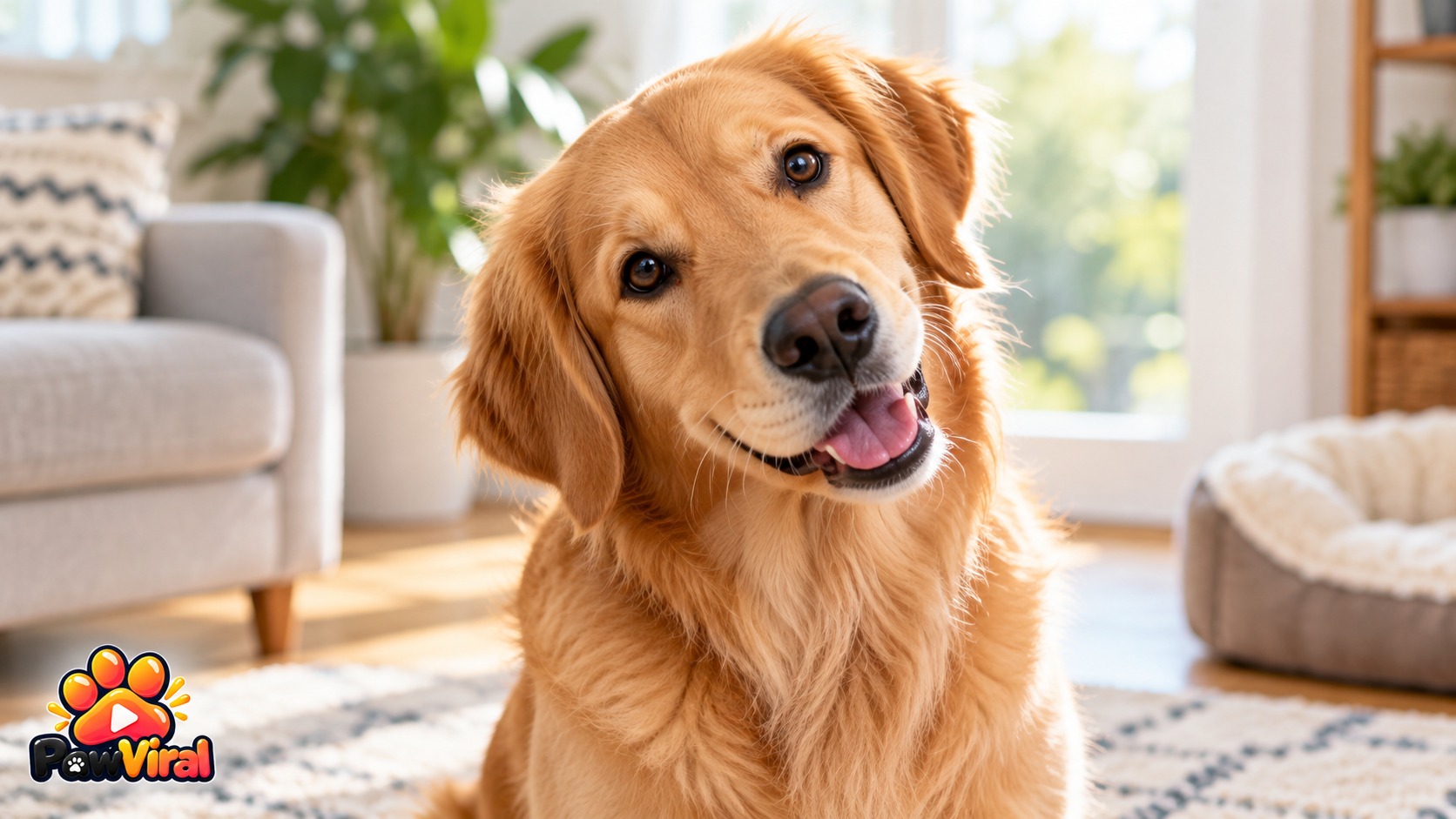
Why dogs stare at people
There is no single meaning behind a stare. Dogs are highly attentive to human behaviour, and they often watch us to learn what is about to happen or to communicate something they want. The meaning depends on the situation, the dog’s normal habits and their overall body language.
1. They are watching for your next move
Your dog may simply be reading you. Picking up the lead, walking toward the kitchen or reaching for a favourite toy can become powerful signals. Dogs quickly learn routines, so they may stare because they are waiting for the cue that predicts a walk, dinner, play or a car ride.
2. They want food
If the stare appears while you are eating or preparing a meal, the explanation may be straightforward. Dogs can learn that looking at a person leads to scraps or treats. If staring is repeatedly rewarded with food, it can become a very effective begging strategy.
3. They want your attention
Some dogs stare when they want interaction. They may be asking for play, petting, access to the garden or simply company. Look at what happens immediately before and after the stare: does your dog then bring a toy, move toward the door or come closer to you?
4. They are waiting for a familiar cue
Dogs trained with rewards often become very attentive to their handlers. A dog may look directly at you because eye contact has become part of training and predicts a cue, praise, a toy or a treat. Focused eye contact can be useful during training when the dog is comfortable with it.
5. They may be showing affection
Relaxed mutual gazing between a dog and a familiar person can be part of social bonding. A soft face, loose body, relaxed ears and comfortable posture are very different from an intense, stiff stare. Affection should be judged from the whole interaction rather than eye contact alone.
6. They are trying to tell you something
A dog may stare because they have learned it gets a response. They might need a toilet break, want access to another room or be asking for something specific. Over time, owners often become very good at recognising these patterns in their own dogs.
7. A hard stare can be a warning
Not every stare is friendly. A fixed, unblinking stare paired with a stiff body, weight shifted forward, raised hair, tension around the mouth or guarding of food or toys can signal discomfort or conflict. Do not stare a tense dog down. Create space and seek professional help if the behaviour is recurring or concerning.
What should I look at besides the eyes?
Body language needs to be read as a whole. Notice whether your dog looks loose or stiff, whether their ears and tail are relaxed, whether they are avoiding contact, licking their lips, turning away, freezing or guarding an item. One signal on its own rarely tells the full story.
When should staring worry me?
Occasional staring at you is usually normal communication. However, a sudden change in behaviour deserves more attention. Contact your vet if your dog seems disoriented, repeatedly stares at walls or empty spaces, becomes unusually unresponsive, develops balance problems, shows persistent head pressing, or has any other new neurological or behavioural signs.
Frequently asked questions
Why does my dog stare at me while I eat?
They may be interested in the food or may have learned that staring sometimes earns a reward. If you do not want begging, avoid reinforcing the stare with table food and reward an alternative calm behaviour instead.
Why does my dog stare at me from across the room?
They may be monitoring what you are doing, waiting for a routine event or simply staying socially connected. Check the context and the rest of their body language.
Should I stare back at my dog?
With a relaxed dog who enjoys eye contact, brief mutual gazing can be comfortable. Avoid prolonged direct staring at unfamiliar, fearful, reactive or tense dogs because it may be perceived as threatening.
Further reading and fact-checking sources
This PawViral article is an original editorial summary informed by the following sources. Use the linked sources for fuller context.
- American Kennel Club — Why Does My Dog Stare at Me?
- RSPCA — Understanding your dog’s body language
- American Kennel Club — Why You Shouldn’t Stare Down a Dog
Editorial note: AI-assisted article, reviewed against the linked sources, but not independently reviewed by a veterinarian.