Dog Body Language: 8 Signals Owners Should Notice
Learn to observe relaxed, worried and uncomfortable dog body language without interpreting one signal in isolation.
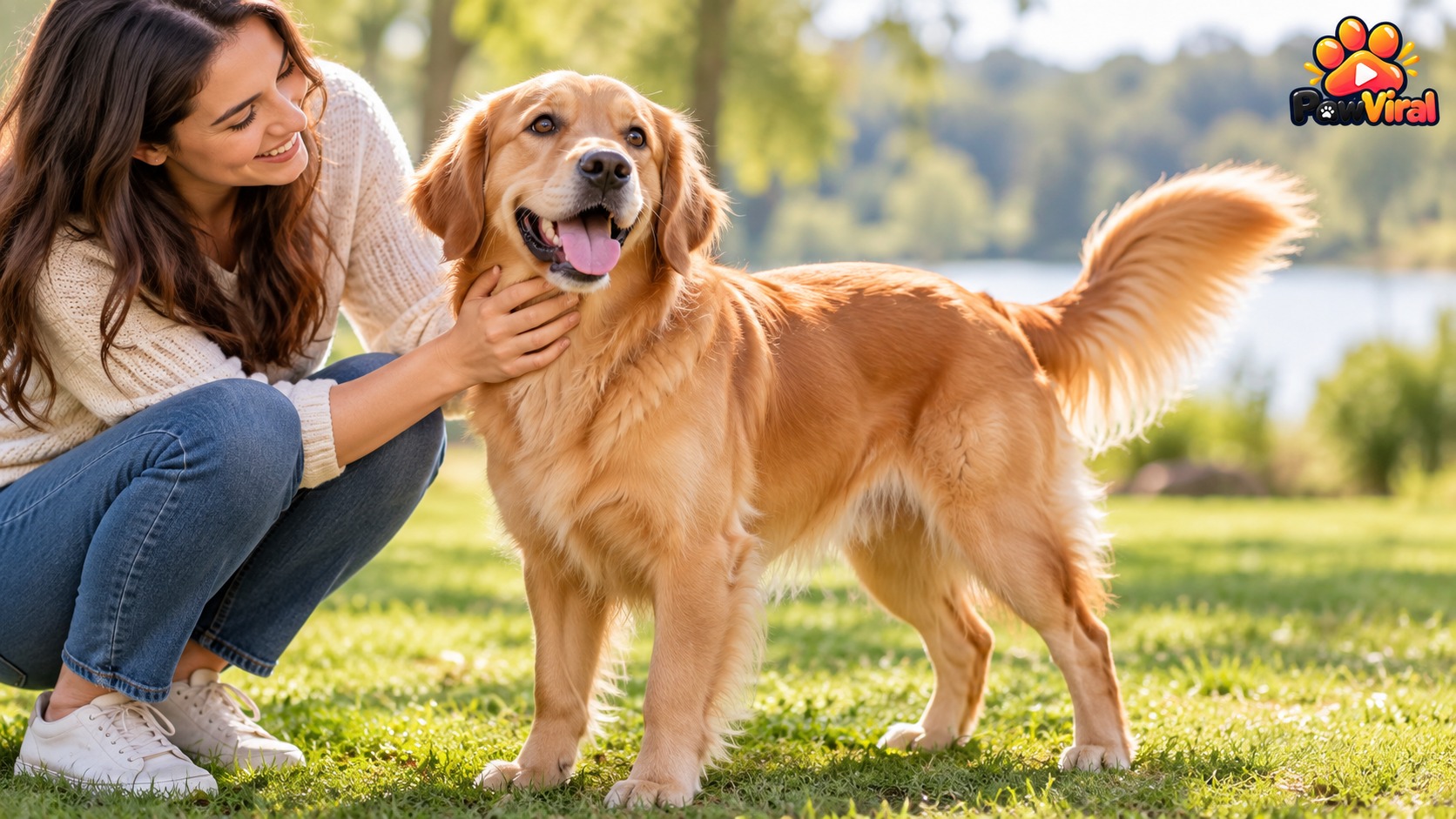
Look at the whole dog, not just the tail
Dogs communicate using body position, face, eyes, ears and movement. A single cue such as wagging does not prove a dog feels friendly; context matters. Pay attention to sudden changes and avoid approaching unfamiliar dogs just because they appear excited.
1. A soft, loose posture
A dog that feels comfortable may stand or lie with relaxed muscles, a soft face and natural ear position. Every dog’s normal appearance differs, so learn what your own dog looks like when genuinely calm.
2. A play bow
A dog lowering its front end and raising its rear may be inviting play. The rest of its behaviour should still look loose and willing. Play is a choice: give dogs breaks and make sure both are comfortable.
3. A lowered body or tucked tail
These can be signs of worry or uncertainty, particularly with ears back or attempts to move away. Give the dog distance rather than insisting it greet a person or another dog.
4. Turning away or avoiding eye contact
Looking away, moving off or deliberately creating space can be a polite attempt to avoid interaction. Respect these choices, especially around children who may want to hug or follow a dog.
5. Lip-licking or yawning in context
Dogs lick their lips and yawn for many reasons. When these behaviours appear during an uncomfortable encounter alongside tense posture, they may signal unease. Look for a cluster of cues instead of diagnosing from one movement.
6. A stiff body and fixed stare
Tension, freezing or hard staring can indicate that a dog is uncomfortable and may need space. Do not reach towards a stiff, unfamiliar dog or try to test its tolerance.
7. Growling is useful communication
A growl tells you that a dog is uncomfortable. Rather than punishing the signal, calmly increase distance and consider qualified behavioural support when the pattern is concerning.
8. Sudden changes deserve attention
If a normally social dog abruptly withdraws, reacts differently to touch or becomes unusually irritable, pain or illness is possible. A vet can assess medical causes and advise on appropriate next steps.
Frequently asked questions
Does wagging always mean a dog is happy?
No. Tail movement must be interpreted with body posture, facial expression and the situation.
What should I do when a dog looks uncomfortable?
Give the dog space, stop the interaction and contact a qualified professional if concerns recur.
Further reading and fact-checking sources
These original summaries are informed by established animal-welfare guidance. Visit the primary sources for fuller context.
Editorial note: AI-assisted article, fact-checked against the linked sources, but not independently reviewed by a veterinarian.