Why Do Cats Sit in Boxes? Comfort, Safety & Instinct Explained
You can buy a cat a soft bed, a climbing tower and a basket full of toys — then watch them climb straight into the delivery box. It looks funny, but a cardboard box can satisfy several normal feline needs at once.
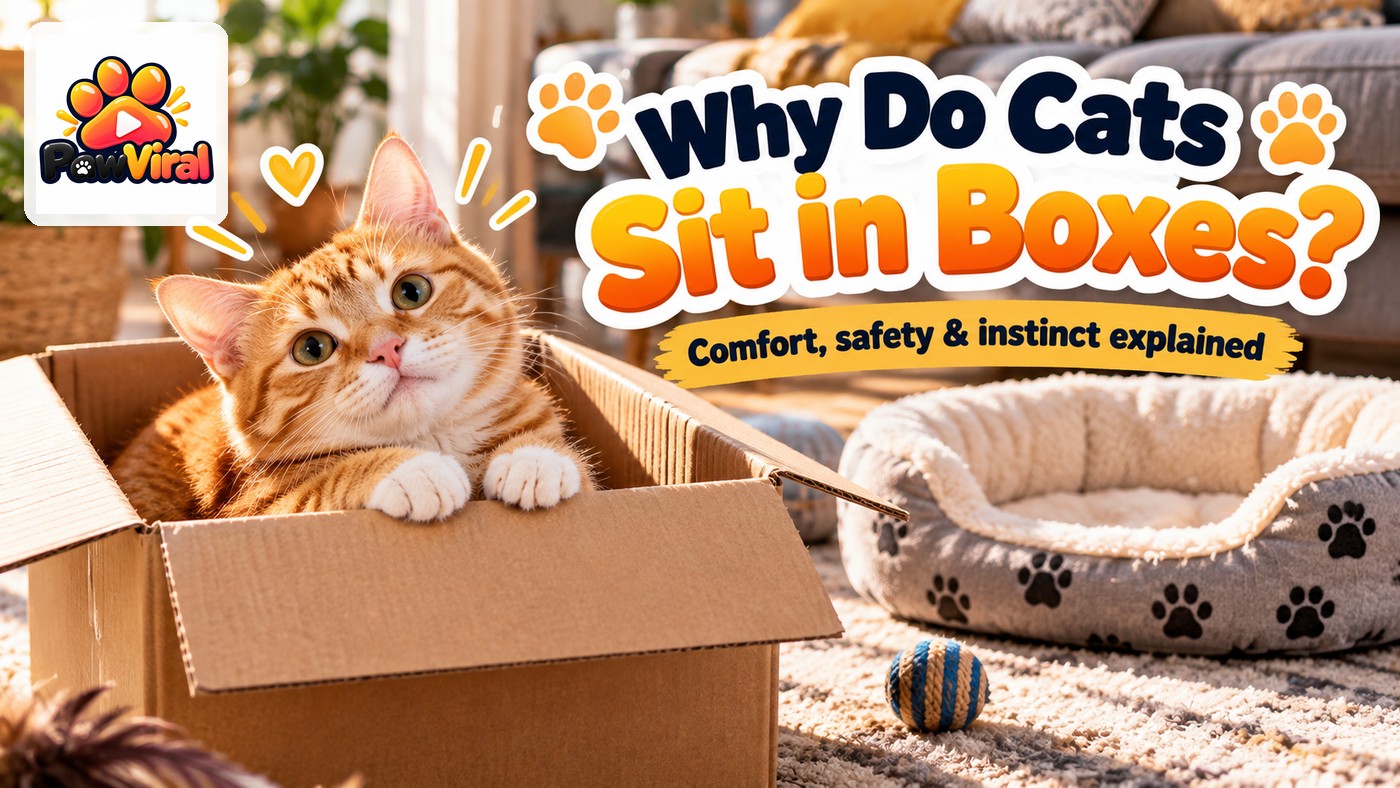
Why are boxes so appealing to cats?
A box combines enclosure, concealment, texture and novelty in one simple object. For some cats it is a quiet resting place; for others it becomes a hideout for play. The exact reason can change from one moment to the next.
1. Boxes can feel secure
Cats often choose places where they can observe the environment while keeping much of their body protected. A box gives clear boundaries and a degree of visual cover, which can make it appealing when a cat wants to rest away from household activity.
2. Hiding opportunities may help reduce stress
Research in shelter cats has found that access to a hiding box can be associated with faster reductions in behavioural stress after arrival. That does not mean every box automatically calms every cat, but it supports the wider idea that giving cats suitable places to retreat can be valuable.
3. Cardboard can feel warm and cosy
Small enclosed spaces can help a resting cat conserve body heat, especially when the box fits closely around the body. Cardboard also provides a dry, slightly insulating surface, which may be one reason a simple box competes so well with a more expensive bed.
4. A box works as an ambush hideout
Cats are predators that naturally use cover when stalking and pouncing. A box can become a miniature hunting blind where a cat waits for a toy, another pet or an unsuspecting human foot to pass by. This is one reason boxes often turn into instant play spaces.
5. Cardboard is interesting to scratch and chew
The texture of corrugated cardboard gives cats something they can claw, rub against and sometimes nibble. Scratching is normal feline behaviour and helps cats stretch and interact with their environment. If your cat chews and swallows significant amounts of cardboard, however, remove it and discuss unusual eating behaviour with your vet.
6. New boxes are full of smells and novelty
Cats investigate changes in their territory. A newly delivered box carries unfamiliar scents and textures, making it an obvious object to inspect. Once explored, some cats keep the box as a favourite resting place while others lose interest quickly.
7. It may simply be comfortable
Not every feline behaviour needs a complicated explanation. If a box is quiet, warm and shaped in a way that supports the cat’s body, it may simply be a pleasant place to sleep.
Are small boxes safe for cats?
Choose boxes that are clean, dry and sturdy enough not to collapse around the cat. Remove staples, loose tape, plastic wrapping, string and packing materials that could be swallowed or become tangled. Make sure the cat can get in and out easily and never close a cat inside a box.
Should I give my indoor cat boxes?
Cardboard boxes can be an inexpensive enrichment option when used safely. Try placing one in a quiet area and letting your cat decide whether to use it. Rotating boxes, adding a blanket, or cutting a second doorway can create variety without forcing interaction.
When can hiding become a concern?
Normal hiding is different from a sudden, persistent change in behaviour. Cats may hide more when frightened, stressed or unwell. If your cat unexpectedly spends much more time hidden, especially alongside appetite, movement, grooming or toileting changes, arrange veterinary advice.
Frequently asked questions
Why does my cat choose a cardboard box instead of an expensive bed?
The box may offer a tighter, more enclosed space, an interesting texture or simply a location your cat prefers. Cats choose resting places according to their own comfort and sense of security rather than the price of the item.
Why does my cat squeeze into a box that looks too small?
A close-fitting space can provide body contact on several sides and may feel secure or warm. As long as the cat can enter and leave freely and the box is safe, this can be normal behaviour.
Do boxes actually reduce stress in cats?
Studies in shelter and veterinary settings suggest that access to hiding boxes can reduce behavioural signs of stress in some cats. Evidence is not identical across every setting or every measure of stress, so boxes are best viewed as one useful environmental option rather than a cure-all.
Further reading and fact-checking sources
This PawViral article is an original editorial summary informed by the following sources. Use the linked sources for fuller context.
- PetMD — Why Do Cats Like Boxes?
- PLoS One / PubMed — The effect of a hiding box on stress levels in Dutch shelter cats
- Veterinary Evidence / PubMed — Hiding boxes and fear/stress in hospitalised cats
Editorial note: AI-assisted article, reviewed against the linked sources, but not independently reviewed by a veterinarian.