How Often Should You Walk a Dog? A Practical Guide
There is no single perfect number of minutes for every dog. Learn how age, breed, health, weather and individual temperament shape a sensible walking routine.
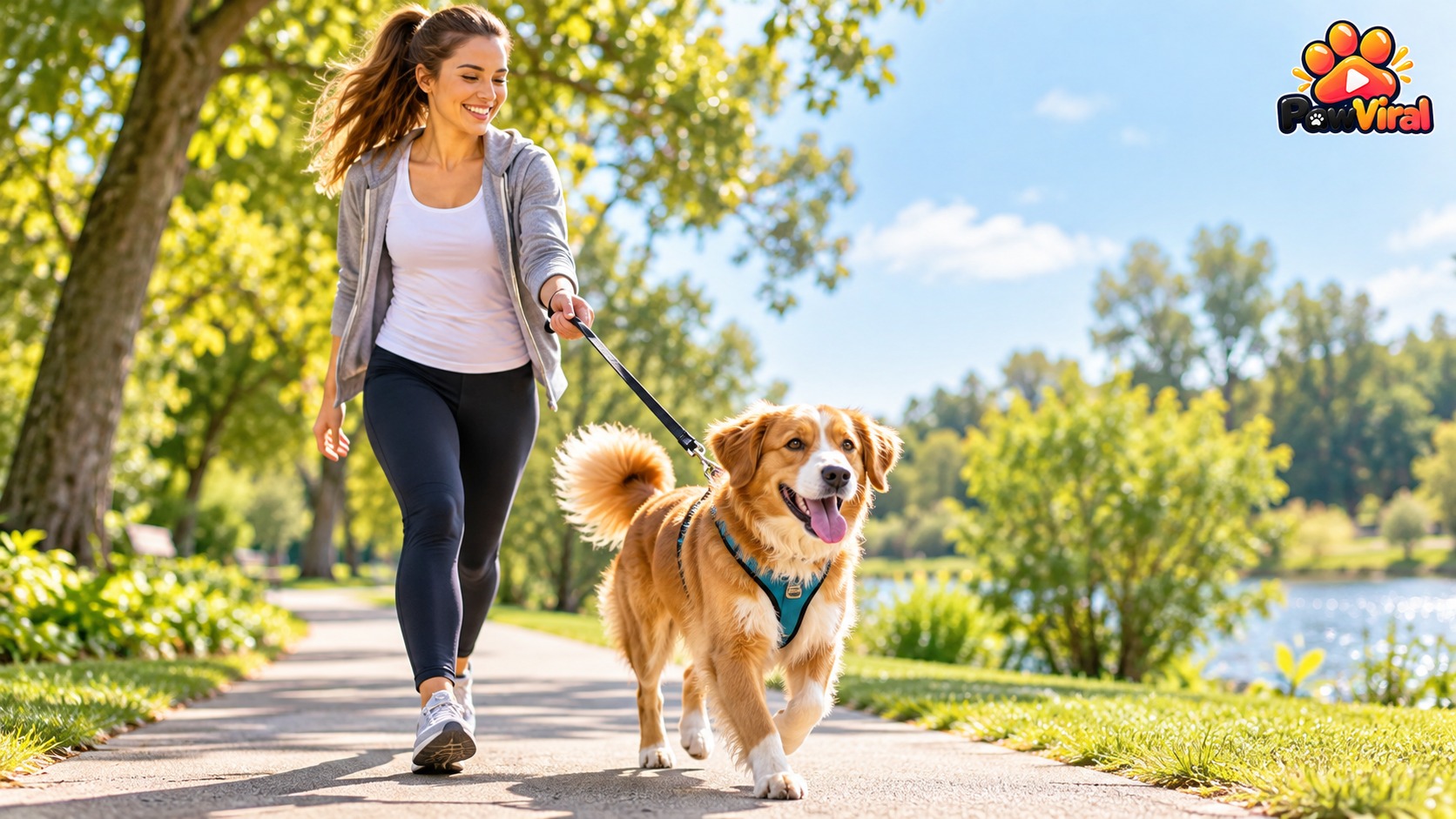
There is no universal walking formula
A useful starting point is that dogs need regular opportunities to move, explore and use their senses. The RSPCA advises taking dogs out at least once a day unless a vet recommends otherwise. That does not mean one identical walk suits every dog: a young high-energy adult, a small senior dog and a dog recovering from illness may all need very different routines.
Think about walks as a combination of physical exercise, mental stimulation, toileting opportunities and time to investigate the environment. The quality and suitability of a walk matter as much as the clock.
What changes how much walking a dog needs?
Age and life stage
Puppies are still developing and can tire quickly. Older dogs may enjoy regular outings but need a slower pace, shorter routes or more rest. Sudden changes in stamina, reluctance to move or obvious pain should be discussed with a vet.
Breed, build and individual energy
Breed history can influence activity needs, but two dogs of the same breed can still differ considerably. Working and sporting breeds are often energetic, while some dogs are naturally calmer. Body size alone does not tell you how much exercise is appropriate.
Health and mobility
Arthritis, breathing problems, heart disease, injury and other conditions can change what is safe. Follow individual veterinary advice rather than trying to match a generic exercise target.
A good walk is more than distance
Allowing time to sniff can make a walk mentally enriching. Sniffing gives dogs information about their surroundings and can be satisfying even when you do not cover a huge distance. A calmer “sniff walk” may sometimes be more appropriate than a fast route focused only on mileage.
Watch the weather
Hot weather can make normal exercise unsafe. Choose cooler times of day, offer access to water and shade, and reduce intensity when conditions are warm. Very cold, icy or stormy conditions can also require adjustments depending on the individual dog.
Signs the routine may need changing
If your dog regularly seems exhausted after walks, struggles to recover, limps, resists going out or shows a sudden change in behaviour, reduce the demand and seek professional advice. At the other extreme, persistent restlessness, destructive behaviour or difficulty settling can sometimes reflect unmet activity or enrichment needs, although many other causes are possible.
A balanced weekly routine
Most dogs benefit from a mix of walks, sniffing, play, short reward-based training and quiet recovery time. Variety can help prevent every outing becoming a race for distance. Build changes gradually, especially after illness, a period of low activity or when adopting a dog whose previous routine is unknown.
Frequently asked questions
Is one walk a day enough?
For some dogs one substantial outing plus other activity may work; others benefit from several shorter outings. The RSPCA’s general advice is at least one outing daily unless a vet advises otherwise, but the right pattern is individual.
Should every walk be long?
No. Shorter walks can still provide toileting, sniffing and environmental enrichment. A dog’s condition and comfort are more important than hitting an arbitrary duration.
Further reading and fact-checking sources
This PawViral article is an original editorial summary informed by the following sources. Use the primary sources for fuller context.
Editorial note: AI-assisted article, reviewed against the linked sources, but not independently reviewed by a veterinarian.