Can Dogs Eat Pumpkin? A Simple Autumn Guide
Yes — plain pumpkin can be suitable for many dogs in small amounts. But the safe version is very different from pumpkin pie, pumpkin-spice desserts or sweetened canned fillings.
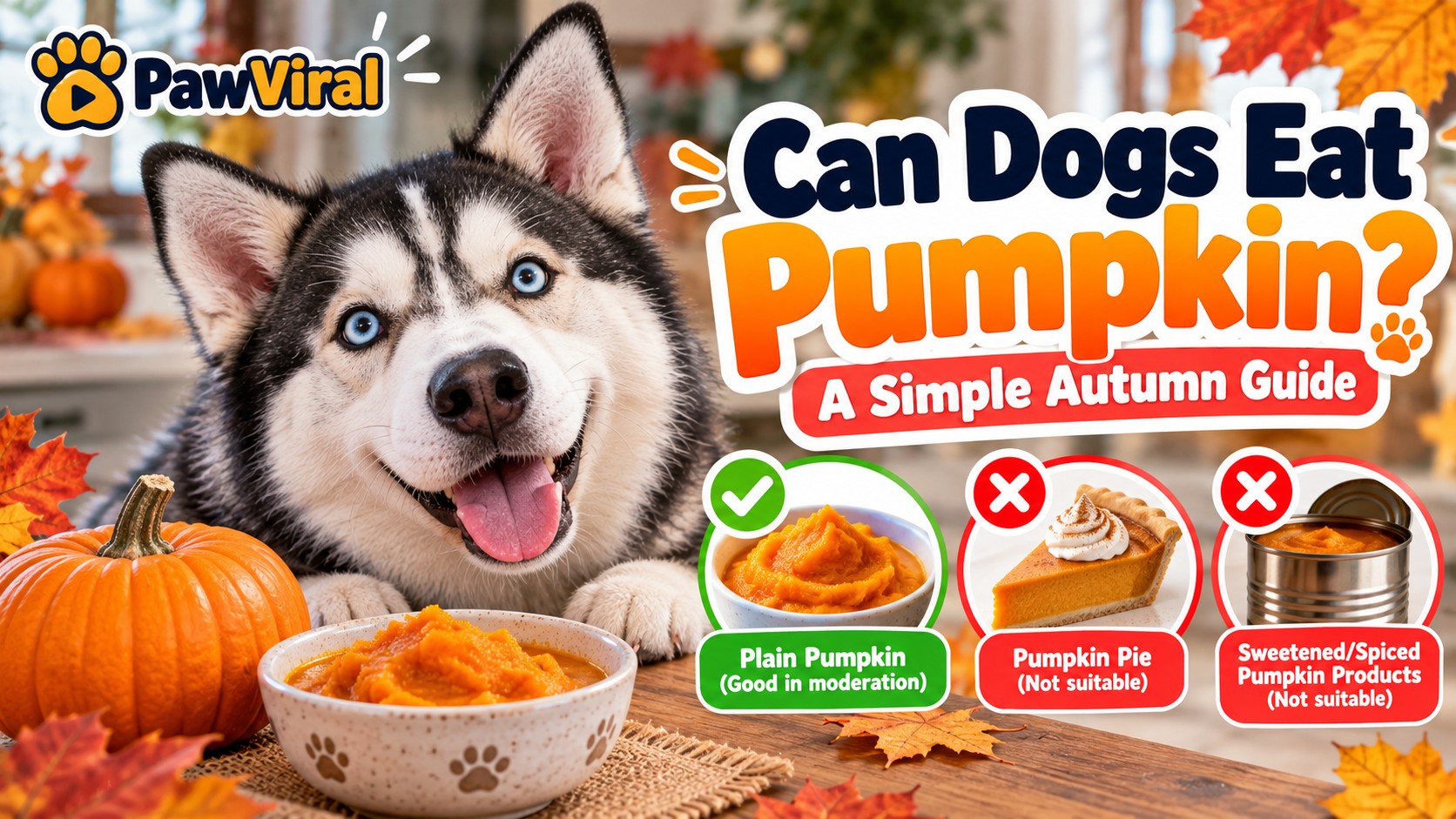
Can dogs eat pumpkin?
Plain cooked pumpkin or 100% pure pumpkin puree can be offered to many healthy dogs in moderation. Pumpkin contains fibre and is commonly used as a small food addition, but it should not replace a complete and balanced dog diet.
Which pumpkin is suitable?
The simplest option is plain pumpkin with no added sugar, sweeteners, spices, butter, salt or other seasonings. If you use canned pumpkin, check the label carefully and choose a product that is just pumpkin. Fresh pumpkin can be cooked until soft and served plain.
What should dogs avoid?
Pumpkin pie filling is not the same as plain pumpkin. Pie fillings and pumpkin-flavoured desserts may contain sugar, spices, fats or sweeteners that are unsuitable for dogs. Products containing xylitol are especially dangerous because xylitol is highly toxic to dogs.
Avoid giving your dog pumpkin pie, pumpkin-spice drinks, heavily seasoned pumpkin dishes or products made with ingredients such as onion or garlic.
Can pumpkin help an upset stomach?
Veterinary sources note that small amounts of plain pumpkin may sometimes be used because its soluble fibre can help with stool consistency. However, diarrhoea can have many causes. Pumpkin is not a treatment for serious or persistent gastrointestinal illness, and it should not delay veterinary care when a dog is unwell.
How should I introduce pumpkin?
Start with a small amount mixed into your dog's normal food and see how they tolerate it. Introducing any new food too quickly can itself upset digestion. The appropriate amount varies with the dog's size, diet and health, so ask your vet if you are unsure or if you plan to use pumpkin regularly.
Can dogs eat raw pumpkin?
Cooked pumpkin is generally easier to serve and digest. If preparing fresh pumpkin at home, keep it plain and remove the tough outer rind and stem. Large hard pieces can be difficult to chew and are unnecessary.
What about pumpkin seeds?
Plain, unsalted pumpkin seeds are sometimes included in dog-safe foods, but they are calorie-dense and are not needed for your dog to benefit from pumpkin. If you want to add seeds regularly, discuss the quantity with your vet, especially if your dog has weight or digestive concerns.
Quick autumn safety checklist
- Choose plain cooked pumpkin or 100% pumpkin puree.
- Avoid pumpkin pie filling and pumpkin desserts.
- Check ingredient labels for sweeteners, especially xylitol.
- Do not add sugar, butter, salt, onion, garlic or spice blends.
- Introduce new foods gradually and in moderation.
- Seek veterinary advice for persistent or severe stomach symptoms.
Frequently asked questions
Can I give my dog canned pumpkin?
Yes, if it is plain 100% pumpkin puree with no added sweeteners, spices or other ingredients. Do not confuse it with canned pumpkin pie filling.
Can dogs eat pumpkin every day?
Some dogs may tolerate a small amount regularly, but extra foods can alter calorie and fibre intake. If you want pumpkin to be a routine part of your dog's diet, ask your vet how it fits with their normal food and health needs.
Is pumpkin a cure for diarrhoea?
No. It may help stool consistency in some mild cases, but diarrhoea can be caused by infections, parasites, dietary problems, toxins and other illnesses. Contact your vet if symptoms are severe, persistent or accompanied by other signs of illness.
Further reading and fact-checking sources
This PawViral guide is an original editorial summary informed by the following veterinary and canine-health resources.
- American Kennel Club — Pumpkin and dog diarrhoea
- VCA Animal Hospitals — Home care for dog diarrhoea
- VCA Animal Hospitals — Fall food dos and don'ts for dogs
Editorial note: AI-assisted article, reviewed against the linked sources, but not independently reviewed by a veterinarian.